Does a dog owner’s heart break a little every time their beloved pup gives them those pleading eyes during dinner? Many pet parents struggle with finding healthy, weight-friendly meals that keep their furry friends satisfied without packing on extra pounds.
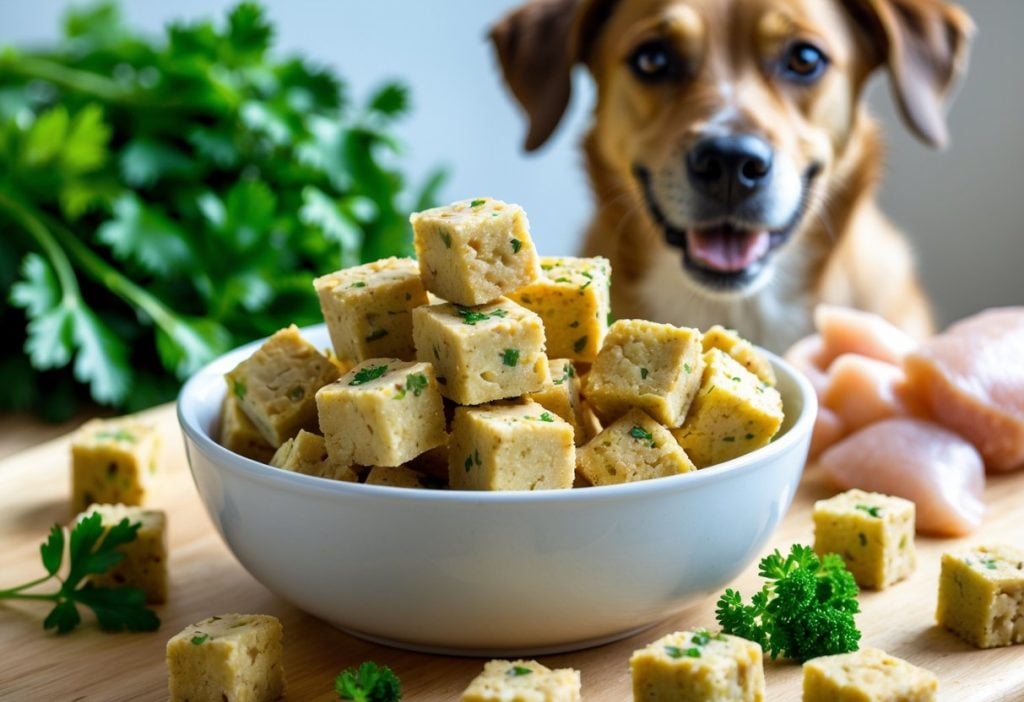
This freezer-friendly chicken and pumpkin recipe lets dog owners batch-cook nutritious, portion-controlled meals that help maintain their pup’s ideal weight while saving time and money. The combination of lean protein and fiber-rich pumpkin creates a filling meal that dogs love and their waistlines will thank them for.
This post walks pet parents through creating these convenient freezer packs, complete with portion guides for different dog sizes, storage tips, and ways to switch up flavors. Dog owners will learn how to prep weeks’ worth of meals in one cooking session, making mealtime stress-free for both human and hound.
Table of Contents
Homemade Dog Food Disclaimer
Making homemade dog food sounds fun until someone realizes they might accidentally create a four-legged nutritional disaster. Dogs need specific nutrients that regular kitchen ingredients might not provide.
Pet owners should talk to their vet before switching their dog to homemade meals. Vets know what nutrients dogs actually need. They can also spot if a dog has special dietary needs.
Some dogs have allergies or health problems that require special diets. A homemade recipe that works for one dog might make another dog sick.
Important things to remember:
- Dogs need different nutrients than humans
- Puppies and senior dogs have special needs
- Some human foods are toxic to dogs
- Balanced nutrition takes planning
This chicken and pumpkin recipe is meant as an occasional meal or treat. It should not replace a dog’s regular balanced diet unless a vet says it’s okay.
Dogs who eat only homemade food for long periods might develop health problems. Missing nutrients can cause serious issues over time.
Always introduce new foods slowly. Start with small amounts to see how the dog’s stomach handles the change. Some dogs have sensitive stomachs that need time to adjust.
The recipes shared here are for healthy adult dogs. Puppies, pregnant dogs, and dogs with health issues need different nutrition plans.
Quick Recipe
This simple recipe uses just four ingredients and takes about 10 minutes of prep work. The freezing process does the heavy lifting while pet parents enjoy some well-deserved couch time.
Ingredients
Dog owners need only four basic items to create these belly-slimming frozen treats. The ingredient list won’t break the bank or require a treasure hunt through specialty pet stores.
Main Ingredients:
- 2 cups cooked chicken breast (shredded, no seasoning)
- 1 cup pure pumpkin puree (not pie filling)
- 1/2 cup plain Greek yogurt (unsweetened)
- 1/4 cup water
The chicken should be completely plain. No salt, garlic, or other seasonings that might upset sensitive doggy stomachs.
Canned pumpkin works perfectly. Just check the label to make sure it’s 100% pumpkin without added spices or sugar.
Greek yogurt adds protein and creates a creamy texture. Regular plain yogurt works too if that’s what’s hiding in the fridge.
Steps
Making these frozen packs takes less time than most dogs spend deciding where to do their business on a walk. The process is foolproof enough that even sleep-deprived pet parents can handle it.
Preparation:
- Mix all ingredients in a large bowl until well combined
- Divide mixture into freezer-safe containers or ice cube trays
- Freeze for at least 4 hours
The mixture should look like chunky baby food. Don’t worry about making it perfectly smooth.
Ice cube trays create perfect portion sizes for smaller dogs. Larger dogs can handle bigger containers or multiple cubes.
Storage Tips:
- Label containers with the date
- Use within 3 months for best quality
- Thaw individual portions as needed
Each frozen pack stays fresh for months. Dogs won’t complain about the expiration date anyway.
Benefits Of This Recipe
This recipe offers real money savings compared to store-bought diet dog food while cutting calories by nearly half. The simple ingredients provide key nutrients that support weight loss and overall health.
Table – Cost & Calories Per Cup
| Food Type | Cost Per Cup | Calories Per Cup |
|---|---|---|
| This Recipe | $0.85 | 180 |
| Premium Diet Dog Food | $2.40 | 320 |
| Regular Dog Food | $1.20 | 380 |
Dog owners can save over $1.50 per cup compared to fancy diet brands. That adds up fast when Fido needs to shed those extra pounds.
The calorie count stays low thanks to lean chicken and fiber-rich pumpkin. Most dogs need 25-30 calories per pound of body weight daily for weight loss.
Health Advantages
Chicken provides high-quality protein that keeps dogs feeling full longer. This helps prevent the sad puppy eyes begging for more food between meals.
Pumpkin acts like nature’s appetite suppressant. The fiber fills up their belly without packing on pounds.
The recipe skips unnecessary fillers and mystery ingredients found in many commercial foods. Dogs get pure nutrition instead of empty calories.
Freezer preparation means fresh meals are always ready. No more panic-buying expensive diet food when the regular stuff runs out.
Feeding Table For Different Sized Dogs & Breeds (2 Meals A Day)
Dogs come in all shapes and sizes, from tiny teacup terriers to giant Great Danes. Each size needs different amounts of these chicken and pumpkin freezer packs.
Small dogs have tiny stomachs but big appetites. Medium dogs think they deserve everything. Large dogs could probably eat a small car if given the chance.
| Dog Size | Weight Range | Packs Per Meal | Total Daily Packs |
|---|---|---|---|
| Small | 5-25 lbs | 1/2 to 1 pack | 1 to 2 packs |
| Medium | 26-60 lbs | 1 to 2 packs | 2 to 4 packs |
| Large | 61-90 lbs | 2 to 3 packs | 4 to 6 packs |
| Giant | 91+ lbs | 3 to 4 packs | 6 to 8 packs |
Active breeds like Border Collies and Labs might need slightly more food. They burn calories faster than a sports car burns gas.
Less active breeds like Bulldogs and Basset Hounds need smaller portions. They prefer napping to running marathons.
Senior dogs often need less food than younger pups. Their metabolism slows down just like humans who discover the couch.
Always check with a vet before changing your dog’s diet. They know better than Uncle Bob who insists his dog lived to 20 eating only table scraps.
Variations
These freezer pack recipes can be tweaked to tackle specific health needs and picky preferences. Simple ingredient swaps and portion adjustments help address weight management, age-related requirements, and common dietary sensitivities.
Weight Loss
Chunky pups need fewer calories but more bulk to feel satisfied. Replace half the pumpkin with steamed green beans or cauliflower rice for extra fiber without extra calories.
Cut chicken portions by 25% and add more vegetables. Zucchini works great because it’s mostly water and makes dogs feel full.
Low-calorie veggie additions:
- Steamed broccoli florets
- Diced cucumber
- Cooked carrots (small amounts)
Skip any oil or butter during cooking. Steam or bake everything instead. These packs should look more like a vegetable medley with some chicken mixed in rather than a meat feast.
Puppies
Growing pups need more calories and protein than adult dogs. Use chicken thighs instead of breast meat for extra fat content that fueling bodies demand.
Add cooked sweet potato to boost calories naturally. Puppies burn through energy faster than a toddler in a candy store.
Puppy-friendly additions:
- Cooked quinoa (small amounts)
- Mashed banana
- Plain Greek yogurt
Make portions smaller since puppy stomachs are tiny. Freeze in ice cube trays for perfect puppy-sized servings. Thaw completely before serving to avoid choking hazards.
Senior Dogs
Older dogs often struggle with digestion and joint stiffness. Cook everything until it’s very soft and easy to chew.
Add bone broth instead of water when cooking for extra nutrients. Senior dogs appreciate meals that don’t require much jaw work.
Senior-friendly modifications:
- Mash pumpkin completely smooth
- Shred chicken very finely
- Add turmeric (small pinch)
- Include cooked oatmeal for gentle fiber
Consider adding fish oil to support brain health. These dogs have earned the right to meals that slide down easy.
Common Allergies
Chicken allergies are more common than people think. Swap chicken for turkey, duck, or fish like salmon or cod.
For dogs allergic to pumpkin, use butternut squash or sweet potato instead. Both provide similar nutritional benefits without the orange mess.
Allergy-safe alternatives:
- Protein: Turkey, fish, venison
- Vegetables: Butternut squash, carrots, green beans
- Grains: Rice instead of oats
Always introduce new proteins slowly. Nobody wants to deal with a dog having an allergic reaction at 2 AM.
Picky Eaters
Some dogs turn their noses up at healthy food like they’re food critics at a fancy restaurant. Add a small amount of low-sodium chicken broth to make everything more appealing.
Mix in tiny pieces of freeze-dried liver or other high-value treats. Just enough to make the whole meal smell amazing.
Picky eater tricks:
- Warm the food slightly before serving
- Add a teaspoon of plain yogurt
- Mix in small pieces of cheese
- Sprinkle nutritional yeast on top
Make the texture more interesting by leaving some chicken in larger chunks. Some dogs prefer variety in their bite sizes.
Digestion
Dogs with sensitive stomachs need bland, easily digestible ingredients. Cook everything thoroughly and avoid any seasonings or spices.
Add plain canned pumpkin (not pie filling) for extra fiber that helps with both diarrhea and constipation. Pumpkin is like a digestive superhero in orange packaging.
Digestion-friendly additions:
- Plain white rice
- Bone broth (low sodium)
- Small amount of ginger (fresh, not powder)
Keep portions smaller and feed more frequently. Big meals can overwhelm sensitive digestive systems.
Joints
Dogs with arthritis or joint problems benefit from anti-inflammatory ingredients. Add a small amount of fresh turmeric or fish oil to each pack.
Include ingredients rich in omega-3 fatty acids. Salmon works great as a protein source for joint support.
Joint-supporting ingredients:
- Fresh turmeric (tiny amounts)
- Fish oil
- Salmon
- Blueberries
Maintain healthy weight through proper portions. Extra pounds put more pressure on already sore joints.
Skin & Coat
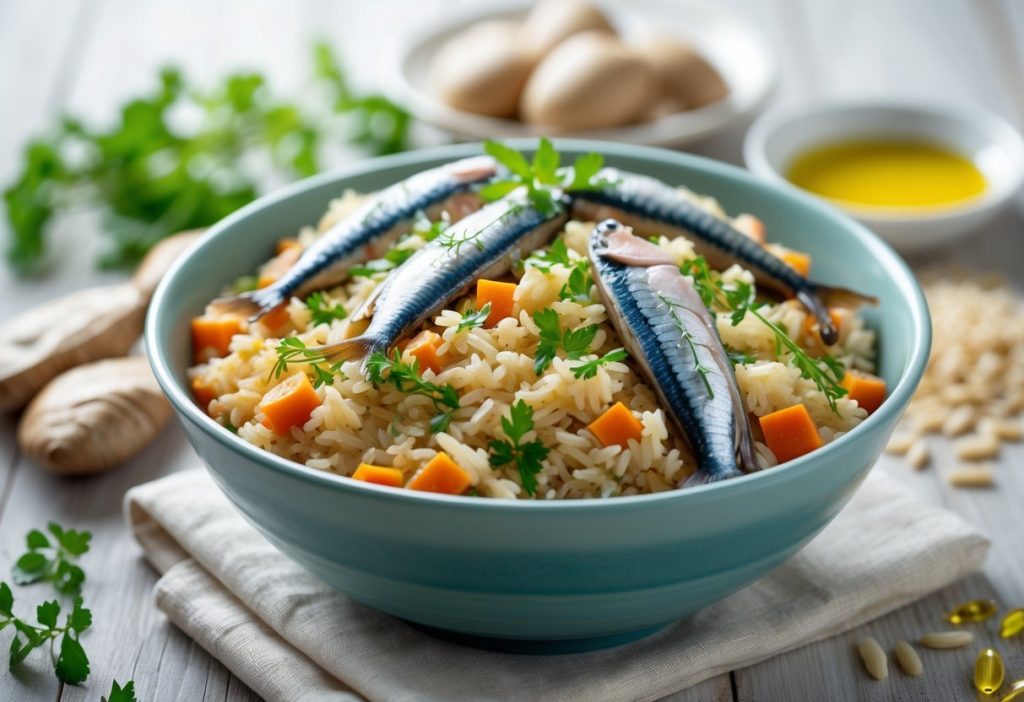
Dogs with dull coats or skin issues need extra healthy fats and specific nutrients. Add sardines or mackerel for omega-3 fatty acids.
Include sweet potato for beta-carotene, which supports skin health. Dogs with skin problems often look like they need a good moisturizer from the inside out.
Skin and coat boosters:
- Sardines (boneless)
- Sweet potato
- Coconut oil (small amounts)
- Eggs (cooked)
Avoid common irritants like beef or wheat if the dog has food sensitivities. Sometimes the simplest ingredients work best for sensitive skin.
Seasonal Switches
Fall brings pumpkin season, but dogs don’t care about trendy flavors. They just want tasty food that keeps them fit.
When pumpkin gets expensive or hard to find, sweet potato works just as well. It has the same orange color and fiber benefits.
Winter squash varieties make great swaps too:
- Butternut squash
- Acorn squash
- Delicata squash
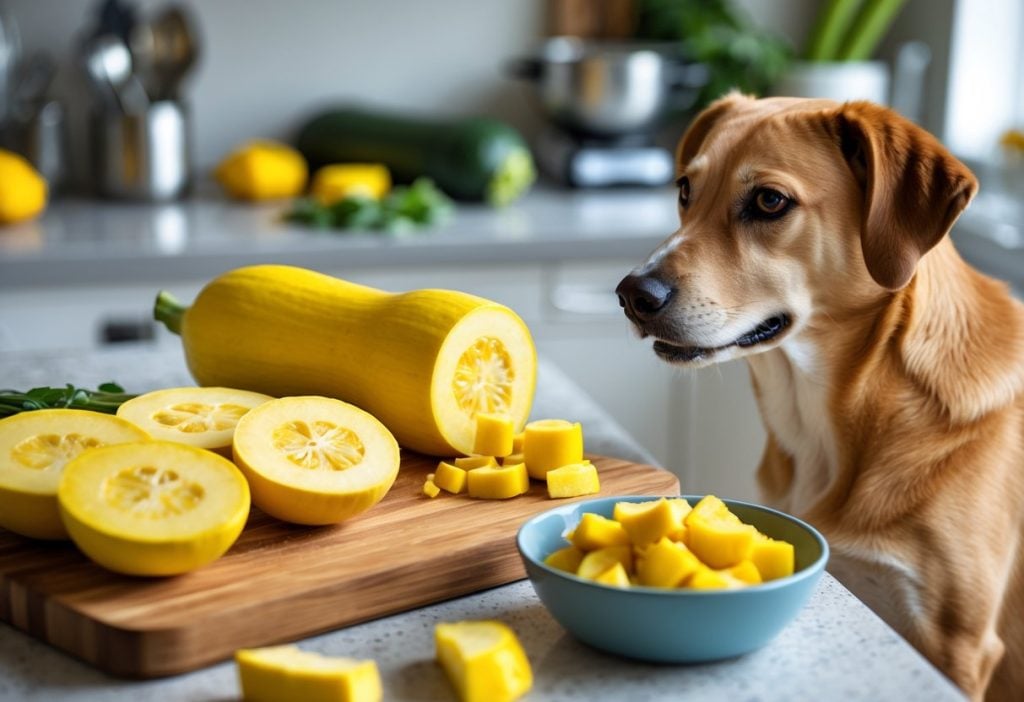
Summer calls for different tricks. Zucchini might sound weird, but dogs love it. It’s cheaper than pumpkin and adds the same bulk to meals.
Green beans work year-round. Frozen ones cost less than fresh pumpkin. Dogs think they’re getting treats while owners know they’re cutting calories.
| Vegetable | Best Season | Cost Level |
|---|---|---|
| Pumpkin | Fall | Medium |
| Sweet Potato | Year-round | Low |
| Zucchini | Summer | Very Low |
| Green Beans | Any | Low |
Spring means fresh carrots are cheap. Chop them small so they don’t become choking hazards. Dogs crunch them like chips.
The chicken stays the same no matter what. It’s the steady protein while vegetables play musical chairs through the seasons.
Pro tip: Buy vegetables when they’re cheap and freeze them. Dogs can’t tell if carrots cost fifty cents or two dollars per pound.
Storage Advice
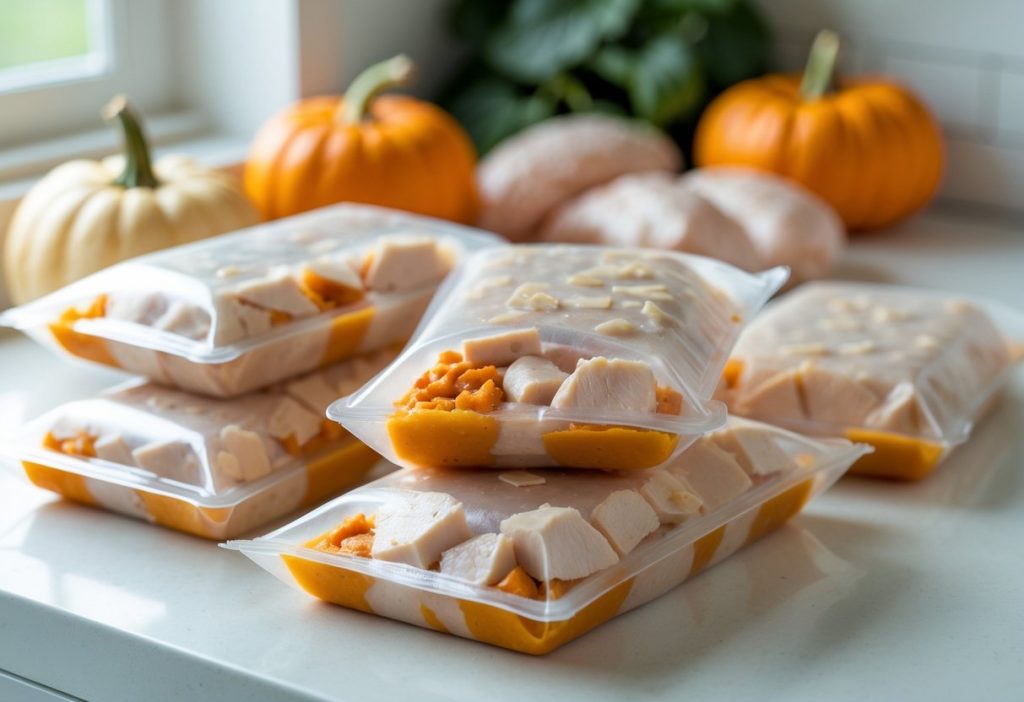
These chicken and pumpkin packs turn any freezer into a doggy treasure chest. Pet parents should store them in freezer-safe bags or containers to prevent freezer burn.
Freezer bags work best for individual portions. Squeeze out extra air before sealing. This keeps the food fresh and prevents it from becoming a frozen brick.
Label each pack with the date. Dogs can’t read calendars, but their humans should know when they made each batch.
Storage times:
- Freezer: 3 months maximum
- Refrigerator: 3 days after thawing
- Counter: 2 hours only
Stack the packs flat in the freezer. This saves space and makes them easier to grab when hungry pups start their dinner dance.
Never refreeze thawed portions. Once it’s defrosted, use it or lose it. Bacteria don’t care about waste.
Glass containers can crack in the freezer. Stick to plastic containers or freezer bags instead. Nobody wants glass shards in their dog’s dinner.
Keep frozen packs away from the freezer door. The temperature changes too much there. The back of the freezer stays coldest and most stable.
Write portion sizes on labels too. This helps busy pet parents grab the right amount without playing freezer roulette.
Batch Cooking Tips
Smart dog parents know that prep day is like leg day – nobody wants to do it, but everyone feels amazing afterward.
Start by doubling or tripling the recipe. The extra work is minimal, but the payoff is huge.
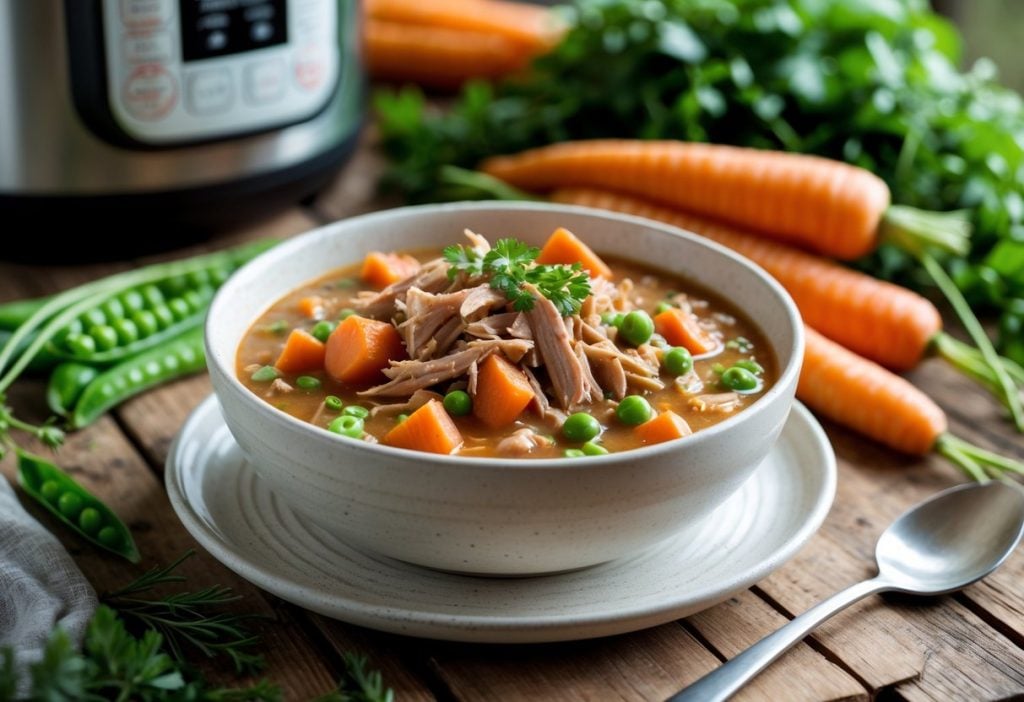
Cook chicken in large batches using a slow cooker or instant pot. These appliances do the heavy lifting while owners binge-watch their favorite shows.
Pre-cut pumpkin into uniform pieces before cooking. This saves time and prevents the inevitable kitchen disaster that happens when rushing with a knife.
Use ice cube trays for portion control. Each cube becomes a perfect single serving that won’t tempt owners to overfeed their chunky pups.
Label everything with dates using permanent markers. Future self will thank present self when staring into a freezer full of mystery orange blobs.
| Task | Time Saver |
|---|---|
| Chicken prep | Use rotisserie chicken |
| Pumpkin prep | Buy pre-cut chunks |
| Storage | Silicone molds work great |
| Thawing | Move to fridge overnight |
Freeze portions flat in freezer bags first. Once solid, store them upright like files in a cabinet.
Keep a dedicated prep day each month. Mark it on the calendar like any other important appointment.
Clean as you go to avoid facing a kitchen that looks like a pumpkin exploded. Nobody has energy for that mess after a cooking marathon.
Transitioning Steps
Dogs can be picky eaters, just like that friend who only orders chicken tenders at fancy restaurants. Start slow when switching to these freezer packs.
Week 1: The Sneaky Start Mix 25% of the new chicken and pumpkin meal with 75% of their regular food. Most dogs won’t even notice the change.
Week 2: Half and Half Split it down the middle – 50% old food and 50% new food. Their taste buds are getting used to the idea now.
Week 3: Almost There Flip the ratio to 75% new food and 25% old food. The pup is probably wondering where their old kibble went.
Week 4: Full Switch Serve 100% of the new chicken and pumpkin meals. Victory dance time.
| Week | Old Food | New Food |
|---|---|---|
| 1 | 75% | 25% |
| 2 | 50% | 50% |
| 3 | 25% | 75% |
| 4 | 0% | 100% |
Watch for upset stomachs or loose stools during the switch. If problems happen, slow down the process.
Some dogs take longer to adjust. That’s normal. Think of it as their way of being dramatic about change.
Keep fresh water available during the whole process. Hydration helps with digestion.

My name is Danny Jackson and I’m the CEO and Chief Editor behind Petloverguy.com. After spending a decade working with vets and private clients as an animal behavioral and nutritional specialist I co-founded Pet Lover Guy to help other pet parents learn how to interact with, and make the most of the time that they spend with their adopted and rescued best pet friends.
Working with Ella, our chihuahua rescue, we seek to help all dog and cat lovers have the happiest life possible.