

When we adopted Ella, our little Chihuahua mix, she was a perfect 10 pounds — small, spunky, and full of energy. A few months later, during a routine vet visit, we got the news no pet parent wants to hear: “She’s overweight.”
At first, I was shocked. She still went on her daily walks — one to two miles a day — and we hadn’t changed her food or routine. But when the vet pointed out that Ella had climbed up to 12 pounds, it hit me: that’s a 20% weight gain on a tiny dog.
We weren’t overfeeding her on purpose. We were doing what many owners do — free‑feeding, leaving food out all day so she could nibble whenever she wanted. It felt convenient, but it was quietly adding up.
The Simple Fix That Changed Everything
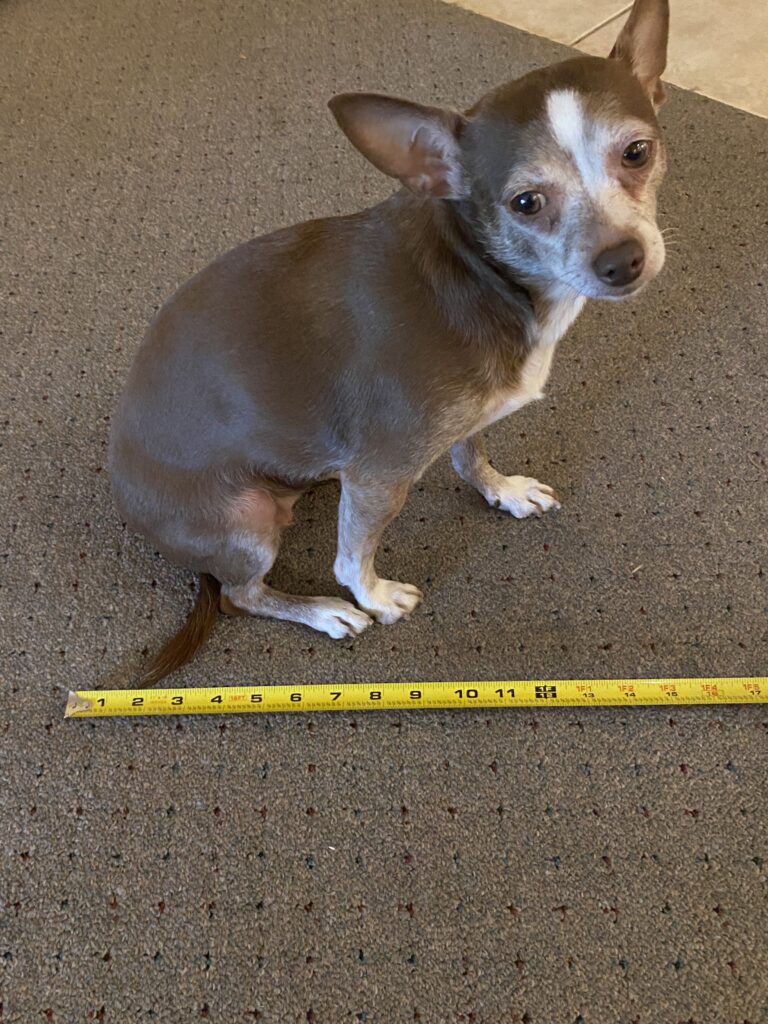
No fancy diet. No cutting treats. No extra workouts.
Just one small change: measuring her meals carefully.
After that vet visit, I sat down and did a little homework. I looked up Ella’s ideal daily calorie range for her size (around 300 calories a day for a 10‑pound, moderately active dog). Then I checked the label on her food bag — it listed calories per cup.
When I did the math, I realized we were feeding her closer to 450–500 calories a day — nearly 50% more than she needed.
So we made one simple adjustment:
¼ cup of food, twice a day.
That’s it. No other changes. Within a few months, Ella was back to her healthy 10 pounds — her coat looked shinier, her energy was through the roof, and she was back to her playful, zoomie‑loving self.
The Real “Secret Weapon”: A Measuring Cup
The biggest lesson? The most powerful weight‑loss tool for your dog isn’t a treadmill or a special food — it’s a measuring cup.
Eyeballing portions or free‑feeding might not seem like a big deal, but for small dogs, even an extra tablespoon or two can make a huge difference over time.
Once we started measuring, we also noticed how consistent her appetite and energy became. No more grazing, no begging — just two satisfying meals a day that matched her needs perfectly.
What About Treats?
We didn’t cut treats, but we did keep them simple. Ella still gets small bites of apple, cucumber, or carrot during training sessions — whole‑food snacks that are low in calories but high in crunch and excitement.
The key was realizing that treats don’t have to be eliminated, just accounted for. If you give a few extra snacks one day, serve a slightly smaller dinner. It’s all about balance and consistency.
Dogs thrive on routine, and by keeping her feeding schedule predictable, Ella’s metabolism stayed steady and her hunger cues normalized naturally.
What I Learned From Helping Ella Slim Down

Free feeding leads to sneaky overeating.
When food is always available, dogs rarely self‑regulate. Even small grazers tend to eat more than they need throughout the day. Switching to scheduled meals gives you control and helps your dog’s body learn a healthy rhythm.
Measuring matters more than you think.
Most dog owners underestimate how much they’re feeding. A “cup” in one household might be a heaping scoop in another. Using a standardized measuring cup or scoop ensures consistency and accuracy.
Calories count — even for dogs.
Every brand of dog food varies in calorie density. Some premium foods pack 450 calories per cup, while others have 300. Without checking the bag, you’re guessing — and guessing usually means overfeeding.
Small dogs gain weight fast.
A pound or two doesn’t sound like much, but for a 10‑pound dog, that’s a 10–20% increase — the equivalent of a 150‑pound person gaining 30 pounds. Keeping an eye on small fluctuations prevents bigger problems later.
Consistency wins every time.
Feeding the same portions at the same times each day keeps your dog’s metabolism balanced. It also helps you track appetite changes, which can be early signs of health issues.
Dog Portion Cheat Table
This table provides a general guideline for daily calorie needs and approximate feeding amounts based on dog size and activity level. Always adjust for your dog’s age, breed, and metabolism, and confirm with your vet before making major changes.
| Dog Size | Weight Range | Daily Calories (Moderate Activity) | Approx. Cups of Dry Food per Day* | Suggested Meals per Day |
|---|---|---|---|---|
| Toy | 5–10 lbs | 200–350 kcal | ¾ – 1 cup | 2 |
| Small | 10–20 lbs | 300–500 kcal | 1 – 1¼ cups | 2 |
| Medium | 20–50 lbs | 500–900 kcal | 1¾ – 3 cups | 2 |
| Large | 50–100 lbs | 900–1600 kcal | 3 – 5 cups | 2 |
*Based on an average dry dog food containing ~350 kcal per cup. Check your specific brand’s calorie content and adjust accordingly.
How to Calculate Your Dog’s Ideal Portion Size
- Find your dog’s ideal weight.
Ask your vet or use a breed‑specific chart online. If your dog is a mix, estimate based on body condition rather than breed averages. - Estimate daily calories.
- Small dogs (under 20 lbs): 30–40 calories per pound of body weight per day.
- Medium dogs (20–50 lbs): 25–30 calories per pound.
- Large dogs (50+ lbs): 20–25 calories per pound.
- Check your dog food label.
Look for “kcal per cup” — often listed near the feeding guide. - Do the math.
Example: Ella’s food = 350 kcal per cup.
Her target = 300 kcal per day → 300 ÷ 350 = 0.85 cups daily.
Split into two meals → about ¼ cup twice a day.
Once you know the math, you’re in control — no guessing, no guilt, and no unnecessary weight gain.
Tools That Helped Us Stay on Track
A simple measuring cup or scoop.
Consistency is key. We keep one scoop inside the dog food container so the portion is always the same.
Airtight storage containers.
Pre‑measuring portions into small containers makes feeding quick and foolproof, especially if multiple people share feeding duties.
A digital food scale.
For those who want precision, weighing meals in grams can remove the guesswork entirely. It’s especially useful for very small dogs.
A feeding log.
We started jotting down Ella’s meals, treats, and weekly weight checks. It only took a minute but helped us see progress and stay accountable.
The Happy Ending
Ella’s back to her ideal weight now — still getting her two daily walks, still enjoying her fruit and veggie treats, and still ruling the house like the tiny queen she is.
The best part? We didn’t have to make her life smaller to make her healthier. Just smarter.
If your dog has quietly put on a few pounds, don’t panic — start with portion control. It’s simple, sustainable, and surprisingly effective.
FAQ: Dog Weight Loss and Measuring Meals
Q: How fast should my dog lose weight?
A: Slow and steady is safest. Aim for about 1–2% of body weight per week. For small dogs, that might mean just a few ounces at a time. Rapid weight loss can be dangerous, so track progress gradually.
Q: Should I change dog food brands for weight loss?
A: Not necessarily. Most dogs can slim down on their regular food if portions are adjusted correctly. “Weight management” formulas can help if your dog needs fewer calories per cup, but the key is portion control.
Q: What if my dog acts hungry after meals?
A: Try adding low‑calorie fillers like steamed green beans, carrots, or a splash of warm water to bulk up the meal. Sometimes dogs mistake thirst for hunger, so ensure fresh water is always available.
Q: Is free feeding ever okay?
A: It can work for some cats, but for dogs — especially small breeds — it often leads to overconsumption. Scheduled meals help regulate appetite and digestion.
Q: How do I know if my dog is overweight?
A: You should be able to feel (but not see) your dog’s ribs easily, and they should have a visible waist when viewed from above. If you’re unsure, ask your vet for a body condition score during your next visit.
Q: What if multiple people feed my dog?
A: That’s one of the most common causes of accidental overfeeding. Use pre‑measured containers or a daily feeding chart to track who has fed your dog and when.

My name is Danny Jackson and I’m the CEO and Chief Editor behind Petloverguy.com. After spending a decade working with vets and private clients as an animal behavioral and nutritional specialist I co-founded Pet Lover Guy to help other pet parents learn how to interact with, and make the most of the time that they spend with their adopted and rescued best pet friends.
Working with Ella, our chihuahua rescue, we seek to help all dog and cat lovers have the happiest life possible.


