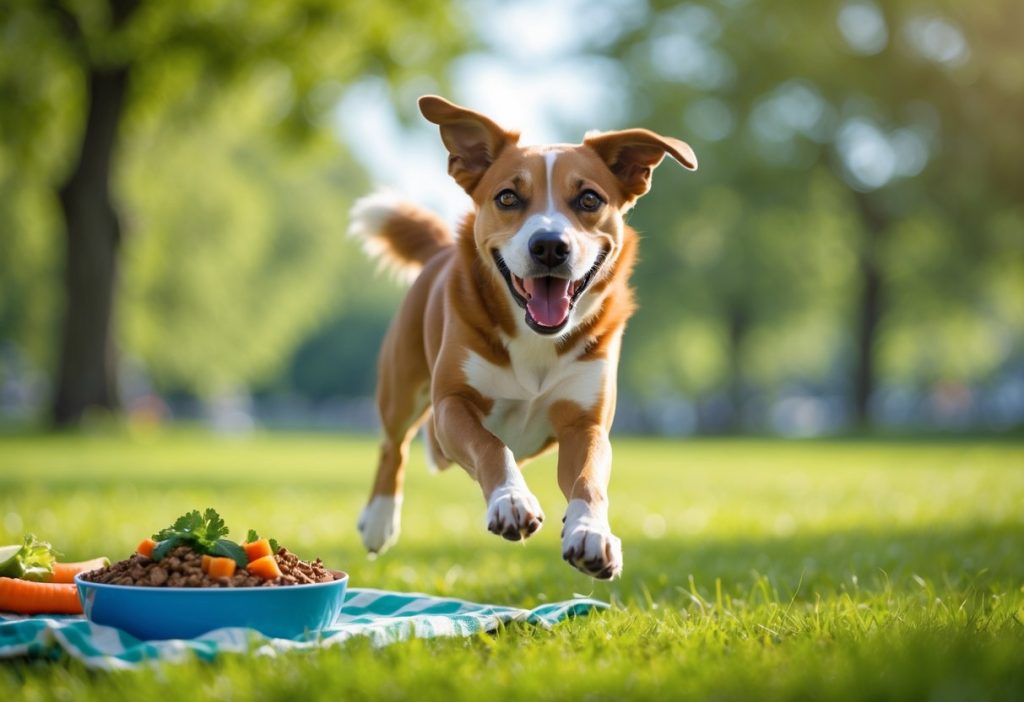
Ever watched a dog rocket around the house after dinner like they just chugged an energy drink? Those hilarious bursts of canine chaos might be telling pet owners more about their furry friend’s meal plan than they realize. While dogs spinning in circles and bouncing off furniture looks like pure silliness, these episodes actually provide clues about what’s happening in their food bowl.
Your dog’s post-meal zoomies could be their body’s way of responding to specific ingredients, energy levels, or nutritional content in their diet. Dogs who get the zoomies after eating could be filled with energy from the food they’ve just had, especially when meals contain certain types of carbohydrates that create a sugar rush effect.
Understanding the connection between a dog’s wild energy bursts and their nutrition helps pet owners decode whether those zoomies signal healthy excitement or hint at dietary adjustments that might benefit their pup. From identifying food triggers to managing these energetic episodes safely, the relationship between what dogs eat and how they zoom reveals fascinating insights into canine behavior and wellness.
Table of Contents
What Are Zoomies and FRAPs?
Dog zoomies are sudden bursts of wild running that look like pure canine chaos but actually serve important purposes. These episodes have specific triggers and happen for clear reasons that every dog owner should understand.
Defining Dog Zoomies
Dog zoomies are those hilarious moments when a dog suddenly gets a crazy look in their eyes and takes off running wild laps around the house or yard. The dog tucks their butt low and bolts around like they’re being chased by invisible squirrels.
These episodes look completely random but they’re perfectly normal. The dog might bounce off furniture, spin in circles, or race back and forth across the living room at lightning speed.
Most dogs show specific body language during zoomies. They keep their body loose and wiggly, with their tongue often hanging out. Many dogs do play bows when they slow down, showing they’re having a blast.
Happy zoomies look different from scared running:
- Happy dogs: Loose body, bouncy movements, play bows
- Scared dogs: Tense body, wide eyes, tucked tail that stays tucked
Frenetic Random Activity Periods Explained
The scientific name for zoomies is Frenetic Random Activity Periods or FRAPs. Vets use this fancy term to describe the short bursts of high-energy running that seem to take over dogs completely.
FRAPs appear to be a way for dogs to release pent-up energy or relieve stress. A dog who has been stuck inside all day might zoom around to burn off energy from hours of boredom.
Age makes a big difference:
- Puppies and young dogs get zoomies most often
- Adult dogs still get them but less frequently
- Senior dogs might have gentler versions
Certain dog breeds and personality types get zoomies more often. High-energy breeds and naturally playful dogs turn into furry tornadoes more regularly than calm, laid-back pups.
Common Triggers for Zoomies
Dogs don’t just randomly decide to become four-legged race cars. Specific situations commonly trigger zoomies episodes.
Most common zoomies triggers:
- When their human comes home from work
- Late evening hours
- Right after bath time
- After going to the bathroom outside
- During exciting play sessions
- When something thrilling happens
Some sneaky dog parents figure out how to start zoomies on purpose. They might make certain sounds, play in specific ways, or just open the door to a big backyard.
The “post-poop zoomies” deserve special mention because they crack up dog owners everywhere. Many dogs celebrate successful bathroom trips by immediately tearing around the yard like they just won the lottery.
Environmental factors matter too:
- Wide open spaces often trigger episodes
- New locations can spark excitement
- Other dogs playing nearby might set off zoomies
- Certain times of day create perfect zoomie conditions
The Link Between Zoomies and Your Dog’s Diet
What your furry friend eats can turn them into a four-legged tornado faster than you can say “dinner time.” The connection between food and those wild energy bursts involves everything from blood sugar spikes to missing nutrients that leave dogs bouncing off the walls.
How Food Choices Affect Energy Bursts
High-carbohydrate meals can transform even the laziest couch potato dog into a hyperactive rocket ship. When dogs consume foods loaded with simple carbs, their blood sugar shoots up like a rollercoaster, creating an instant energy surge.
The type of food dogs eat may contribute to zoomies, though scientists are still scratching their heads about the exact connection. Think of it like giving a toddler a candy bar – chaos usually follows.
Foods That Can Trigger Zoomies:
- High-sugar treats
- Simple carbohydrate kibble
- Large meal portions
- Foods with artificial additives
Some dogs react to specific ingredients like they’ve been plugged into an electrical socket. Protein-heavy meals can also cause energy spikes, especially in active breeds who already have motors that never quit.
The timing of meals matters too. Dogs who wolf down their food in record time often experience more intense energy bursts than those who eat at a leisurely pace.
Recognizing Signs of Pent-Up Energy
Dogs don’t come with energy meters, but their behavior after meals tells the whole story. The classic post-dinner sprint around the house usually means excess energy is looking for an escape route.
Warning Signs of Energy Overload:
- Racing in circles immediately after eating
- Excessive jumping or bouncing
- Unable to settle down for 30+ minutes
- Destructive behavior following meals
Some dogs turn into canine tornadoes, spinning and running like they’re auditioning for a circus act. Others might start zooming through the house, treating furniture like obstacle course equipment.
For food-obsessed dogs, mealtime anticipation combined with food energy creates hyperactivity. It’s like Christmas morning energy mixed with a double espresso shot.
The intensity and duration of these episodes can reveal whether diet adjustments might help. Dogs experiencing pent-up energy often show repetitive behaviors that seem almost compulsive.
Nutritional Imbalances and Frenetic Behavior
When dogs don’t get balanced nutrition, their bodies can react with wild energy swings that make zoomies look like interpretive dance. Missing nutrients or too much of certain ingredients can turn mealtime into chaos time.
Common Imbalances That Trigger Zoomies:
- Too many carbs: Creates sugar rushes
- Insufficient protein: Leads to erratic energy patterns
- Missing B vitamins: Affects nervous system regulation
- Excess artificial additives: Can cause hyperactivity
Dogs with food sensitivities might zoom around like they’re trying to outrun their own digestive systems. Some pups react to preservatives or colorings the same way kids react to too much birthday cake frosting.
The digestive process itself can contribute to frenetic behavior when certain nutrients hit the bloodstream all at once. It’s like their internal engine suddenly switches from idle to full throttle without warning.
Timing nutritional intake throughout the day can help prevent these explosive energy episodes. Smaller, more frequent meals often reduce the intensity of post-eating zoomies compared to one large daily feeding.
When Zoomies Signal Something More
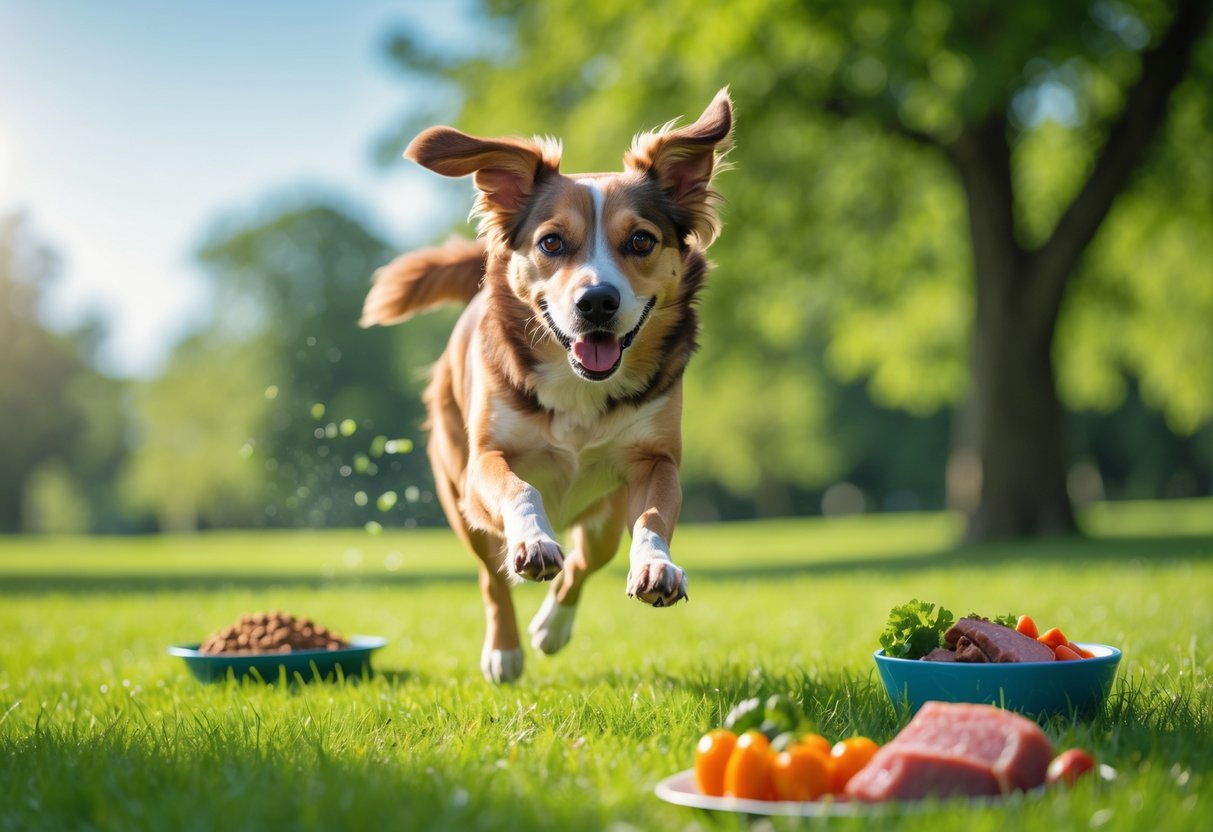
While most zoomies are just your pup channeling their inner race car driver, sometimes these wild energy bursts can hint at dietary imbalances or health issues that need attention. Knowing when those adorable tornado moments cross the line from normal fun to potential concern helps keep your furry friend healthy and happy.
Normal Fun or Dietary Red Flag?
Regular dog zoomies after meals, baths, or during playtime are perfectly normal – think of them as your dog’s way of saying “life is awesome!” These happy episodes usually last 1-5 minutes and end with a satisfied, tired pup.
But when zoomies become excessive or seem panicked, they might signal dietary issues. Dogs experiencing food sensitivities or blood sugar spikes can have unusual or distressed behavior during zoomies.
Watch for these warning signs:
- Zoomies lasting more than 10 minutes
- Multiple episodes throughout the day
- Aggressive or destructive behavior during episodes
- Zoomies followed by lethargy or confusion
High-sugar treats or poor-quality kibble can cause energy crashes and rebounds. Your dog might seem like they’re powered by rocket fuel one minute, then completely drained the next.
Excessive Zoomies and Health Concerns
When pent-up energy turns into daily marathon sessions around your living room, it’s time to investigate. Excessively frequent zoomies might signal that your dog needs more exercise or mental stimulation, but dietary factors often play a role too.
Common diet-related causes include:
| Issue | What Happens | Signs to Watch |
|---|---|---|
| Blood sugar spikes | Energy rushes from high-carb foods | Zoomies within 30-60 minutes after eating |
| Food allergies | Stress response triggers hyperactivity | Zoomies plus scratching, digestive upset |
| Nutritional deficiencies | Body compensates with erratic energy | Irregular zoomie patterns, mood changes |
Dogs fed low-quality diets with fillers and artificial additives may experience more intense episodes. Their bodies struggle to process these ingredients, leading to unpredictable energy releases.
Some dogs develop zoomies as a coping mechanism for digestive discomfort. If your pup gets the zoomies right after meals, their food might not agree with them.
Consulting Your Vet for Diet-Related Issues
When your dog’s zoomies go from entertaining to concerning, it’s time to call in the professionals. Your vet can help determine if dietary changes might calm those wild energy episodes.
Schedule an appointment if zoomies become obsessive or interfere with rest. Keep a food and zoomie diary for at least a week before your visit.
Track these details:
- What your dog ate and when
- Timing of zoomie episodes
- Duration and intensity
- Other symptoms like vomiting or diarrhea
Your vet might recommend an elimination diet to identify food triggers. This process involves feeding a limited ingredient diet for several weeks, then gradually reintroducing foods.
Blood tests can reveal nutritional deficiencies or metabolic issues affecting energy levels. Sometimes simple dietary adjustments can transform your hyperactive hurricane back into a normally energetic pup.
Don’t wait if zoomies follow diarrhea or vomiting and seem panicked – this combination requires immediate veterinary attention.
Managing and Channeling Zoomies Safely
When dogs transform into furry tornadoes, owners need smart strategies to keep everyone safe while honoring their pup’s need to unleash that pent-up energy. The key lies in proper exercise timing, smart training techniques, and creating spaces where your dog can safely rocket around without turning your living room into a disaster zone.
Exercise, Enrichment, and Balanced Meals
Pre-emptive strikes work wonders against surprise zoomie attacks. Dogs who get adequate physical exercise daily experience fewer intense frenetic random activity periods.
A tired dog is a well-behaved dog. Daily walks, fetch sessions, and playtime help burn excess energy before it explodes into living room laps.
Mental stimulation matters just as much as physical exercise. Puzzle toys, snuffle mats, and training sessions tire out busy brains that might otherwise fuel zoomie frenzies.
Meal timing plays a sneaky role too. Dogs often get evening energy spikes that coincide with dinner time. Feeding earlier or splitting meals can reduce post-dinner chaos.
Interactive feeding kills two birds with one stone. Food puzzles slow down eager eaters while providing mental workout that leaves less energy for wild sprints.
Training Tips for Zoomie Moments
Training a zooming dog feels like trying to reason with a small hurricane. The secret? Don’t fight the storm – redirect it.
Never chase a zooming dog. This turns their energy release into an exciting game that makes them zoom harder and longer.
Instead, try the “treat scatter” technique. Toss treats in the opposite direction to redirect their energy toward something productive.
The “settle” command works wonders when taught beforehand. Practice during calm moments so dogs learn to respond even when excitement levels spike.
Redirect with toys when indoor zoomies threaten furniture. Channeling their energy with a toy or short training session transforms destructive energy into play.
Wait for natural breaks. Zoomie episodes typically last 1-5 minutes and end on their own.
Creating a Safe Environment for Energy Release
Smart dog owners prepare their homes for inevitable zoomie moments. Think of it as puppy-proofing for adult dogs who temporarily lose their minds.
Clear the runway in common zoomie zones. Remove breakable items, secure loose rugs, and create open pathways for safe sprinting.
Outdoor spaces work best for intense episodes. Fenced yards or carpeted rooms provide secure areas where dogs can zoom without escaping or getting hurt.
Baby gates become lifesavers for controlling where zoomies happen. Block off stairs, kitchens, or rooms with fragile items.
Consider the surfaces. Hardwood floors plus zoomies equals potential crashes. Carpeted areas or grass provide better traction for sharp turns.
Supervise multi-pet households during zoomie sessions. One dog’s frenetic random activity periods can trigger chaos among other pets or small children.

My name is Danny Jackson and I’m the CEO and Chief Editor behind Petloverguy.com. After spending a decade working with vets and private clients as an animal behavioral and nutritional specialist I co-founded Pet Lover Guy to help other pet parents learn how to interact with, and make the most of the time that they spend with their adopted and rescued best pet friends.
Working with Ella, our chihuahua rescue, we seek to help all dog and cat lovers have the happiest life possible.