Many dog owners who’ve gone down the homemade treat rabbit hole have probably stumbled across golden paste recipes while frantically googling “natural remedies for my limping dog at 2 AM.” This mysterious yellow concoction has become the darling of holistic pet parents everywhere, but what exactly makes it different from just sprinkling turmeric on kibble?
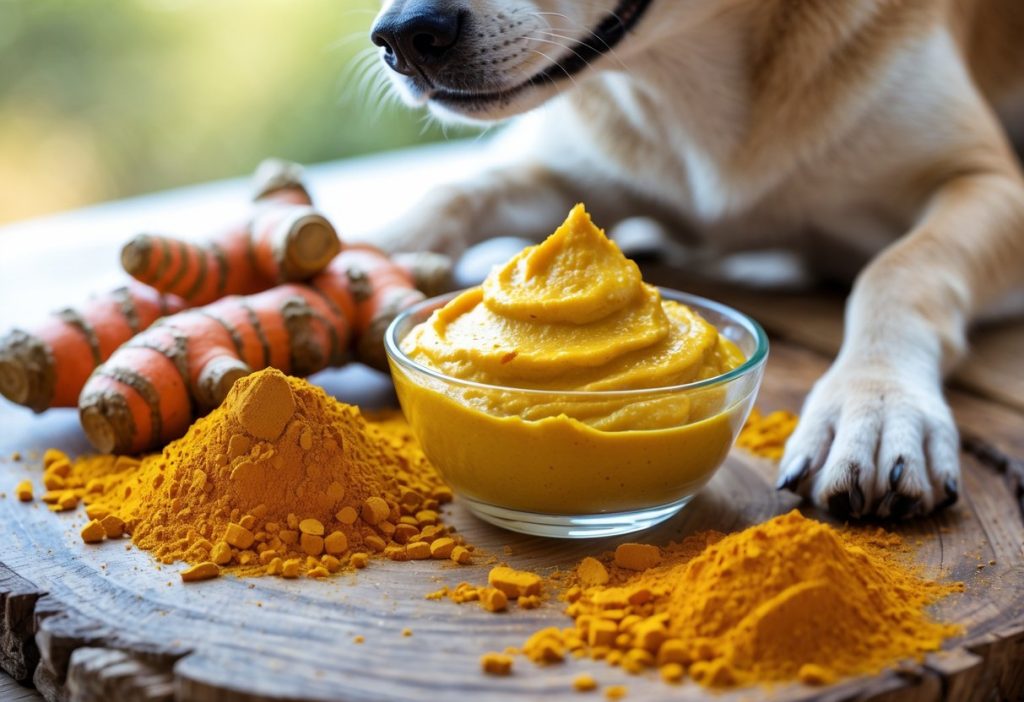
Golden paste is a homemade supplement that combines turmeric with coconut oil and black pepper to create a more bioavailable form of curcumin than plain turmeric powder alone. The golden paste recipe typically includes these three key ingredients because they work together like a well-oiled machine – literally, since the oil helps the body absorb the beneficial compounds that would otherwise pass right through.
While some pet owners swear their arthritic dogs turned into puppies again after trying golden paste, others wonder if they’re just making expensive yellow mess in their kitchen. This guide will walk through everything from whipping up a batch without destroying the stovetop to understanding when this trendy paste might actually help and when it’s probably just wishful thinking wrapped in turmeric-stained hope.
What Is Golden Paste for Dogs?
Golden paste is basically turmeric’s glow-up—it’s a bright yellow concoction that combines turmeric powder with coconut oil and black pepper to create a supplement that dogs actually want to eat. This simple recipe transforms plain old turmeric into a bioavailable powerhouse that your pup’s body can actually use.
Key Ingredients in Golden Paste
The golden paste recipe is refreshingly simple—it’s like the three-ingredient cookies of the supplement world. Each ingredient plays a starring role in this canine health comedy.
Turmeric powder takes center stage as the main actor. It’s the bright yellow spice that makes curry dishes look like sunshine and will definitely stain your kitchen counter if you’re not careful.
Coconut oil serves as the supporting character that makes everything work. Without this fatty sidekick, the turmeric would just pass through your dog’s system like an unwelcome houseguest.
Black pepper might seem like an odd addition, but it’s the secret weapon. Freshly ground black pepper contains piperine, which basically tells your dog’s digestive system to pay attention and actually absorb the good stuff.
Some recipes also include water to help create the paste-like consistency that won’t have you chasing your dog around the house with a spoon.
Turmeric and Curcumin Explained
Turmeric is like that friend who looks ordinary on the outside but has amazing hidden talents. The real superstar hiding inside turmeric is curcumin, the active compound responsible for all the health benefits.
Curcumin is what gives turmeric its anti-inflammatory properties. It’s like having a tiny firefighter that goes around your dog’s body putting out inflammation fires before they get out of control.
The problem with curcumin is that it’s basically an introvert—it doesn’t want to be absorbed by the body. Golden paste for dogs solves this social anxiety by pairing curcumin with its two best friends: fat and piperine.
Without these helper ingredients, most of the curcumin would just take a quick tour through your dog’s digestive system and leave without doing any work. That’s like hiring a cleaning service that just walks through your house and waves at the dust.
How Golden Paste Is Made
Making golden paste is easier than teaching your dog not to steal socks. The process involves gently cooking turmeric powder with water until it forms a thick paste that looks like fancy mustard.
The basic recipe starts with combining half a cup of turmeric powder with one cup of water in a saucepan. The mixture gets stirred constantly over medium heat for about 7-10 minutes until it thickens.
Once the paste reaches the right consistency, the real magic happens. The coconut oil and freshly ground black pepper get stirred in while the mixture cools down.
Storage is simple: the finished golden paste lives in the refrigerator for 2-3 weeks in a glass jar. Some dog parents freeze portions in ice cube trays, creating what basically amounts to healthy popsicles for their pups.
The whole process takes about 15 minutes and results in a golden-colored paste that dogs seem to find much more appealing than plain turmeric powder sprinkled on their food.
Benefits of Golden Paste Versus Turmeric Alone
Golden paste transforms plain turmeric powder into a bioavailable powerhouse that actually gets absorbed by dogs’ bodies, while plain turmeric mostly passes right through like an expensive yellow visitor. The magic happens when turmeric teams up with coconut oil and black pepper to create a joint-supporting, inflammation-fighting superhero squad.
Anti-Inflammatory and Antioxidant Superpowers
Plain turmeric powder is like a superhero with amazing powers who forgot to put on their cape. It sits there looking impressive but doesn’t do much good.
Golden paste fixes this problem by combining turmeric’s curcumin with coconut oil and black pepper. The curcumin provides the anti-inflammatory and antioxidant properties that make turmeric famous.
These antioxidant properties help fight free radicals in dogs’ bodies. Free radicals are like tiny troublemakers that damage cells and cause inflammation.
The anti-inflammatory effects work by blocking inflammatory pathways. This is especially helpful for dogs dealing with chronic inflammation or age-related issues.
Key differences between golden paste and plain turmeric:
- Golden paste gets absorbed into the bloodstream
- Plain turmeric mostly gets eliminated as waste
- Golden paste provides consistent anti-inflammatory effects
- Turmeric powder alone offers minimal therapeutic benefit
Joint Pain, Hip Dysplasia, and Mobility Issues
Dogs with creaky joints need more than wishful thinking and plain turmeric sprinkled on their kibble. Golden paste actually reaches the joints where the real action happens.
Joint pain responds better to golden paste because the curcumin can get into the bloodstream and travel to inflamed joints. Plain turmeric is like sending a get-well card instead of actual medicine.
For hip dysplasia, golden paste may help reduce inflammation around the hip joint. The coconut oil in golden paste also provides healthy fats that support overall joint health.
Mobility improvements happen because golden paste delivers curcumin where it’s needed most. Dogs with arthritis or stiffness may move more freely when inflammation decreases.
The benefits for joint issues include reduced swelling and improved comfort during movement.
Bioavailability of Curcumin in Golden Paste
This is where golden paste shows off like a straight-A student next to turmeric powder’s failing report card. Bioavailability means how much of the good stuff actually gets into the dog’s system.
Plain turmeric has terrible bioavailability. Most of the curcumin gets broken down in the digestive system and never makes it to the bloodstream.
Black pepper in golden paste contains piperine, which can boost curcumin absorption significantly. It’s like giving curcumin a VIP pass to the bloodstream.
Coconut oil helps because curcumin dissolves better in fat. The oil acts like a taxi service, helping curcumin get where it needs to go.
The bioavailability difference is huge:
- Plain turmeric: 1-5% absorption rate
- Golden paste: Up to 20x better absorption
- More curcumin in bloodstream = better results
Golden Paste Recipe for Dogs (Without Causing a Kitchen Disaster)
Making golden paste for dogs requires precision with dosing and ingredient quality to avoid turning your kitchen into a turmeric crime scene. The right measurements and fresh ingredients make all the difference between a helpful supplement and a messy mishap.
Safe Dosage Guidelines
Dog owners often think more golden paste equals better results, but that’s like assuming more hot sauce makes food tastier. It usually just causes problems.
The standard dosage is ¼ teaspoon of golden paste per 10 pounds of body weight daily. A 40-pound dog gets 1 teaspoon, not a tablespoon.
Start with half the recommended amount for the first week. Dogs’ stomachs need time to adjust to new supplements, especially one as potent as turmeric powder.
| Dog Weight | Daily Amount |
|---|---|
| 10-20 lbs | ¼ teaspoon |
| 21-40 lbs | ½ teaspoon |
| 41-60 lbs | ¾ teaspoon |
| 61-80 lbs | 1 teaspoon |
Split the daily dose between meals. This prevents stomach upset and helps with absorption.
Never exceed the recommended amounts, even if your dog acts like they’re auditioning for a turmeric commercial.
Common Side Effects and Precautions
Golden paste can turn dogs into temporary yellow-tinged creatures who smell faintly of curry. This is normal and fades within days.
Serious side effects include loose stools, stomach upset, and increased bleeding risk. Turmeric acts as a natural blood thinner, making it dangerous for dogs on blood-thinning medications.
Dogs with gallbladder stones or bile duct problems should avoid golden paste entirely. The curcumin in turmeric makes gallbladders contract, which can worsen these conditions.
Watch for allergic reactions during the first few days. Signs include excessive scratching, swelling, or breathing difficulties.
Diabetic dogs need veterinary supervision since turmeric can affect blood sugar levels. Don’t play guessing games with your dog’s health.
Stop giving golden paste at least two weeks before any scheduled surgeries. The blood-thinning effects can complicate procedures.
Choosing Quality Ingredients
Not all turmeric powder is created equal, and using cheap ingredients is like building a house with cardboard. It might look right, but it won’t work properly.
Choose organic turmeric powder when possible. Regular grocery store versions often contain fillers or have reduced potency from sitting on shelves too long.
Fresh ground black pepper is essential, not the dusty container that’s been in your spice rack since 2019. The piperine in black pepper increases turmeric absorption by up to 2000%.
Use virgin coconut oil rather than processed versions. The healthy fats help the body absorb curcumin more effectively and add their own anti-inflammatory benefits.
Avoid pre-made golden paste recipes with added preservatives or sweeteners. Dogs don’t need extra sugar, and some preservatives can cause digestive issues.
Store ingredients in cool, dark places to maintain potency. Light and heat break down the active compounds that make golden paste beneficial.
Turmeric Chews Alternative
Dog owners who find golden paste messier than a toddler’s finger painting session often turn to turmeric chews. These bite-sized supplements promise the same benefits without the sticky kitchen disasters.

Commercial turmeric chews offer several advantages over homemade golden paste:
- Precise dosing – No guessing games with measurements
- Enhanced absorption – Many include piperine or other bioavailability boosters
- Convenience – Dogs think they’re getting treats, not medicine
- Shelf stability – Won’t spoil like homemade paste
Most dogs prefer chews because they taste like treats rather than health food. Some pups will actually sit and beg for their daily dose, which beats wrestling them into eating paste.
Key ingredients to look for:
- 95% curcuminoids for potency
- Black pepper extract (piperine) for absorption
- Coconut oil for additional benefits
Quality turmeric chews for dogs often contain standardized curcumin extracts. This means each chew delivers consistent amounts of active compounds.
The downside? Chews cost more than making paste at home. However, many pet parents find the convenience worth the extra expense.
Dosage varies by weight:
| Dog Weight | Typical Daily Dose |
|---|---|
| Under 25 lbs | 1/2 chew |
| 25-50 lbs | 1 chew |
| Over 50 lbs | 2 chews |
Some dogs with sensitive stomachs still experience mild digestive upset with chews. Starting with half doses helps identify any tolerance issues.
We recommend Zesty Paws Turmeric Curcumin for Dogs – for Hip & Joint Mobility Supports Canine Digestive Cardiovascular & Liver Health. It’s super easy to use and dogs love it. Check today’s price here.
Potential Limitations and Important Considerations
While golden paste might seem like a magical yellow cure-all, it’s not quite the superhero supplement some dog parents think it is. There are real risks to consider, sneaky myths to avoid, and professional guidance that shouldn’t be skipped.
Risks of Overuse and Who Should Avoid Golden Paste
Some dogs should steer clear of this golden goodness entirely. Dogs on blood-thinning medications face serious risks since curcumin can increase bleeding.
Pups scheduled for surgery need to stop golden paste at least two weeks beforehand. The turmeric can turn a routine procedure into a bloody mess.
Dogs who should avoid golden paste:
- Those with gallstones or bile duct blockages
- Diabetic dogs (turmeric may lower blood sugar)
- Dogs with kidney stones
- Pregnant or nursing females
Even healthy dogs can suffer from overuse. Too much golden paste can cause stomach upset, diarrhea, and nausea. The coconut oil alone can trigger pancreatitis in sensitive dogs.
Some dogs develop what owners jokingly call “golden revenge” – bright yellow, loose stools that stain everything in sight.
Common Mistakes and Myths
The biggest myth is that more golden paste equals better results. Many dog parents think if a little helps, a lot must be amazing. This logic leads to overdosing and unhappy tummies.
Another common mistake is expecting instant miracles. Golden paste isn’t a magic wand that makes arthritis disappear overnight.
Popular myths debunked:
- Myth: All turmeric powders are the same
- Reality: Curcumin concentration varies wildly between brands
Some owners skip the black pepper, not realizing it helps absorption. Others use too much pepper and create a spicy surprise their dog won’t touch.
The “natural equals safe” myth causes problems too. Just because something grows in the ground doesn’t mean it can’t cause harm.
Consulting with Your Vet
Smart dog parents always involve their veterinarian when introducing new supplements. Vets can spot potential drug interactions that owners might miss.
Your vet knows your dog’s medical history better than Dr. Google. They can determine if golden paste fits into your pup’s treatment plan or if it might interfere with existing medications.
Some vets might suggest pharmaceutical-grade curcumin supplements instead of homemade paste. These products offer consistent dosing and better absorption than kitchen experiments.
Don’t play hide-and-seek with supplements during vet visits. Mention every treat, supplement, and home remedy you’re giving. Your vet isn’t there to judge your DIY adventures – they want to keep your dog safe and healthy.

My name is Danny Jackson and I’m the CEO and Chief Editor behind Petloverguy.com. After spending a decade working with vets and private clients as an animal behavioral and nutritional specialist I co-founded Pet Lover Guy to help other pet parents learn how to interact with, and make the most of the time that they spend with their adopted and rescued best pet friends.
Working with Ella, our chihuahua rescue, we seek to help all dog and cat lovers have the happiest life possible.