Disclaimer: This article is for educational purposes only and is not a substitute for professional veterinary advice. Every dog is different, especially senior pups. Always consult your veterinarian before changing your dog’s diet or treating allergy symptoms. If your dog shows signs of a serious reaction, contact a vet immediately
Many dog owners think they know exactly what goes into their pet’s food bowl. They read labels, choose premium brands, and feel confident about their choices. But some common ingredients might be causing their senior dog’s itchy skin, upset stomach, or other health problems.

Senior dogs can develop allergies to foods that seemed perfectly safe when they were younger. The culprit could be hiding in treats, supplements, or even expensive dog food. These sneaky ingredients often fly under the radar because they seem harmless or healthy.
This guide reveals the most common hidden allergens that could be making senior dogs miserable. From mystery jerky ingredients to surprise dairy additions, these foods might explain why an older dog suddenly starts scratching more or having digestive issues.
1) Artificial flavors in mystery jerky (AKA chemical chaos)
That fancy jerky treat might look like real meat, but it could be fooling everyone. Many commercial dog jerkies contain artificial flavors that sound like a science experiment.
These fake flavors can trigger allergic reactions in senior dogs. Their older immune systems don’t handle mystery chemicals very well.
The worst part? Companies don’t always list every artificial ingredient clearly. They hide behind vague terms like “natural flavoring” or “meat by-products.”
Senior dogs with sensitive stomachs often react badly to these chemical cocktails. Symptoms include itchy skin, upset stomachs, and excessive scratching.
Some artificial flavors contain dyes and preservatives too. These extras can make allergies even worse for older pups.
The jerky might smell amazing to humans and dogs alike. But that fake bacon or chicken scent comes from laboratory-made chemicals, not real food.
Reading ingredient labels becomes detective work. If the jerky contains more than five ingredients, it probably has artificial stuff mixed in.
Dogs don’t need fancy flavors anyway. They’re perfectly happy with plain, real meat treats that won’t turn their digestive system upside down.
2) Wheat-based dog biscuits (gluten’s undercover ally)
Those cute bone-shaped biscuits look innocent enough. But wheat hides inside like a sneaky troublemaker wearing a disguise.
Senior dogs often develop wheat sensitivity as they age. Their digestive systems become pickier than a food critic at a hot dog stand.
Wheat contains gluten proteins that can upset older dogs’ stomachs. It shows up as itchy skin, upset tummies, or gas that clears the room faster than a fire alarm.
Many dog owners grab wheat biscuits thinking they’re harmless treats. The packaging looks healthy with happy dogs on the front. But wheat can cause more drama than a soap opera.
Common wheat-based treats include training biscuits, crunchy bones, and those fancy bakery cookies. They’re everywhere in pet stores like weeds in a garden.
Check ingredient lists before buying treats. Wheat flour often appears in the first few ingredients. Words like “whole wheat” or “wheat meal” are red flags.
Rice-based or sweet potato treats work better for sensitive senior dogs. Their tummies will thank you, and so will your nose.
3) Soy protein in cheap dog food (sneakily soy-nified)
Soy protein hides in dog food like a ninja in pajamas. Dog food makers love it because it’s cheap and adds protein numbers to their labels.
Many senior dogs can’t handle soy well. Their aging digestive systems get cranky when soy shows up uninvited to the dinner party.
Soy appears under sneaky names on ingredient lists. Look for “soy flour,” “soybean meal,” or “textured vegetable protein.” These are soy’s secret identities.
Cheap dog foods stuff in extra soy to boost protein content without spending much money. It’s like putting cardboard in a sandwich and calling it fiber.
Senior dogs with soy allergies might get itchy skin or upset stomachs. Their bodies treat soy like an unwelcome house guest who won’t leave.
Budget dog foods often contain more soy than premium brands. The bargain price tag sometimes comes with hidden soy surprises inside.
Check ingredient lists carefully before buying dog food. Soy likes to hide near the middle of long ingredient lists where busy pet parents might miss it.
4) Hidden fish oils in supplements (omega-3’s mischievous cousin)
Fish oil supplements seem like a great idea for senior dogs. After all, omega-3s are supposed to help with joints and shiny coats.
But here’s the twist. Some fish oils contain mystery fish that dogs haven’t eaten before. Mackerel, sardines, and anchovies might be new to their digestive system.
Senior dogs can develop allergies to these specific fish types. Their bodies treat the unfamiliar proteins like invaders. This leads to itchy skin and upset stomachs.
The tricky part is that fish oil allergies look just like other food allergies. Red, scratchy skin appears first. Then come the digestive issues.
Many dog parents don’t suspect the supplement. They think it’s the chicken or beef in the main food. Meanwhile, the fish oil keeps causing problems every single day.
Some supplements also contain additives and preservatives. These extra ingredients can trigger reactions too. Even “natural” fish oils sometimes have hidden chemicals.
Before adding any fish oil supplement, check what types of fish it contains. Start with very small amounts to test how the dog reacts.
5) Milk powder in dehydrated snacks (dairy’s secret weapon)
Many commercial dehydrated treats hide milk powder in their ingredient lists. It sneaks in there like a ninja, ready to cause trouble for lactose-intolerant senior dogs.
Dog owners think they’re buying simple dried chicken or sweet potato snacks. But milk powder often gets added as a binding agent or flavor enhancer.
Senior dogs develop lactose intolerance more easily than younger pups. Their digestive systems slow down and produce less of the enzyme needed to break down dairy.
The symptoms show up as stomach upset, gas, or loose stools. Some dogs also develop itchy skin or ear infections from dairy reactions.
Always check the ingredient list on dehydrated treats. Look for words like “milk powder,” “whey,” or “casein.” These are all dairy products in disguise.
Even treats labeled as “natural” or “grain-free” can contain milk powder. The sneaky ingredient hides in many flavors, not just obvious ones like cheese or yogurt treats.
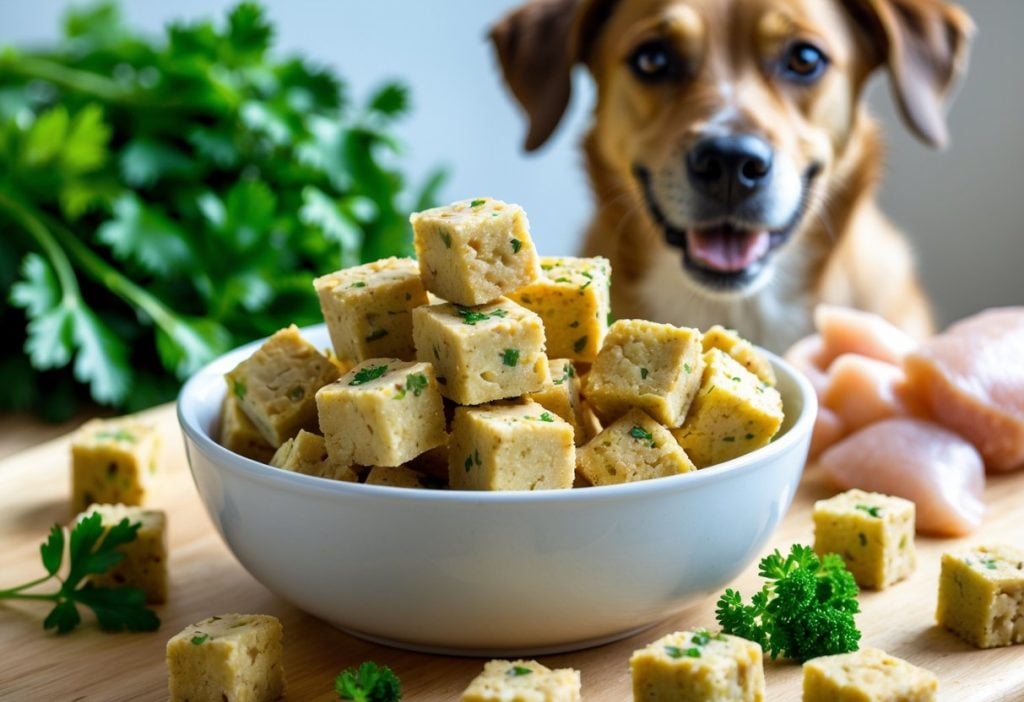
Make homemade dehydrated snacks instead. Use single ingredients like plain chicken, sweet potato, or carrots. This way, there are no surprise dairy additions.
6) Peanut butter in training rewards (it’s not just for humans)
Peanut butter seems like the perfect training treat. Most dogs go crazy for it, and it’s sticky enough to hide pills.
But here’s the catch. Many senior dogs develop peanut allergies later in life. Their immune systems decide peanut butter is public enemy number one.
The symptoms can be sneaky at first. Maybe Rover starts scratching more after training sessions. His belly might get red and bumpy.
Some dogs get the runs after peanut butter treats. Others break out in hives around their mouth and paws.
Commercial peanut butter makes things worse. It often contains xylitol, which is toxic to dogs. Even the “natural” kinds can have added oils that upset sensitive stomachs.
Training should be fun, not itchy. If your senior dog seems uncomfortable after peanut butter rewards, try switching to something else.
Plain cooked chicken works great. So do small pieces of sweet potato or carrots. Your dog’s tail will still wag, and his skin will thank you.
7) Corn gluten meal in kibble (maize maze for your pooch’s immune system)
Corn gluten meal sounds fancy, but it’s just leftover protein from corn processing. Dog food companies love it because it’s cheap and boosts protein numbers on labels.
Senior dogs often struggle with this sneaky ingredient. Their aging digestive systems can’t handle corn proteins like they used to.
The immune system gets confused by corn gluten meal. It thinks these proteins are invaders and launches an attack. This creates inflammation in the skin and gut.
Many dogs show no problems with whole corn but react badly to the concentrated gluten meal version. It’s like the difference between a gentle breeze and a tornado.
Symptoms include itchy skin, red paws, and upset stomachs. Some dogs get ear infections that keep coming back.
Corn gluten meal hides in many dog foods under different names. Look for “corn gluten” or “maize gluten meal” on ingredient lists.
Switching to corn-free kibble often helps senior dogs feel better. Their skin clears up and their tummies settle down. The maze of confusion finally ends when the corn gluten meal disappears from their bowl.
8) Chicken jerky treats (sneaky allergen alert!)
Many pet parents think chicken jerky treats are the perfect healthy snack. After all, it’s just chicken, right? Wrong!
Most commercial chicken jerky treats contain way more than chicken. They often have mysterious preservatives and flavor boosters. Some even contain ingredients from other countries with questionable quality controls.
The real problem is how these treats are processed. The high-heat drying process can change the protein structure. This makes it harder for senior dogs to digest properly.
Many chicken jerky treats also contain garlic powder or onion powder for flavor. Both of these are big no-nos for dogs with sensitive stomachs.
Some brands add artificial colors to make the jerky look more appealing. These dyes can trigger skin reactions in older dogs who already have weaker immune systems.
The chewy texture might seem fun, but it can be tough on aging teeth and gums. Senior dogs often gulp these treats without proper chewing.
If a senior dog starts scratching more after jerky treats, the treats might be the culprit. The same goes for loose stools or upset stomachs that appear after snack time.
9) Beef-flavored dental chews (apparently delicious, unfortunately itchy)
Many senior dogs go crazy for beef-flavored dental chews. They chomp away happily while their owners feel good about their pet’s dental health.
But these tasty treats can cause big problems for dogs with beef allergies. The beef flavoring often comes from real beef proteins that trigger allergic reactions.
Dogs might start scratching more after enjoying their dental chew. Red, irritated skin can pop up within hours of eating one.
Some pups develop stomach upset too. Loose stools and gas become unwelcome side effects of what should be a healthy snack.
The irony is painful. Owners buy these chews to help their dog’s teeth and gums stay healthy. Instead, their furry friend ends up itchy and uncomfortable.
Many dental chews use beef as the main flavor because dogs love it so much. But senior dogs often develop beef sensitivities as they age.
Check the ingredient list carefully before buying dental chews. Look for chicken, duck, or fish-flavored options instead. Your dog’s teeth will still get clean without the itchy aftermath.
10) Egg yolk in gourmet dog meals (not just breakfast anymore)
Fancy dog food makers love tossing egg yolks into their recipes. They think it makes their products sound rich and fancy. Your senior dog’s stomach might not agree.
Egg yolks show up in expensive wet foods, freeze-dried treats, and “gourmet” kibble. The golden center of eggs can trigger allergic reactions in older dogs. Their digestive systems become pickier with age.
Some dogs develop egg allergies later in life. The yolk contains more allergens than the white part. It can cause itchy skin, upset stomachs, and gas that clears rooms.
Pet food companies sneak egg yolks into salmon dinners, beef stews, and chicken recipes. They rarely put “contains eggs” in big letters on the front. Dog owners need to read ingredient lists like detectives.
Raw food diets often include whole eggs too. The yolk sits there looking innocent while plotting digestive chaos. Even dogs who ate eggs fine as puppies might react badly as seniors.
If your older dog suddenly gets itchy after eating fancy meals, check for hidden egg yolks. Sometimes the simplest ingredients cause the biggest problems.
Final Thoughts
Senior dogs can develop new food sensitivities over time, even to ingredients they’ve eaten for years. By reading labels carefully and working with your vet, you can help your pup stay comfortable, itch-free, and happy in their golden years.

My name is Danny Jackson and I’m the CEO and Chief Editor behind Petloverguy.com. After spending a decade working with vets and private clients as an animal behavioral and nutritional specialist I co-founded Pet Lover Guy to help other pet parents learn how to interact with, and make the most of the time that they spend with their adopted and rescued best pet friends.
Working with Ella, our chihuahua rescue, we seek to help all dog and cat lovers have the happiest life possible.